

An electric kiln atmosphere rich in oxygen will make elements, kiln-sitters, and thermocouples
Kiln Ventilation Overview
Rev: 2/1/2025
Why Ventilate Your Kiln?
Proper ventilation is essential for safe and efficient kiln operation.
- You need to vent fumes from the kiln and heat from the room.
- Ceramic firing processes emit toxic fumes, such as carbon monoxide, heavy metal vapors, and volatile organic compounds, which can cause respiratory problems, irritation, or, at high levels, be fatal. These fumes are also corrosive, damaging the kiln and its surroundings over time.
- Excess heat buildup in enclosed spaces can present a fire hazard.
- Ventilation removes harmful fumes and excess heat, protecting users, reducing fire risks, extending kiln lifespan, and helping maintain consistent firing results. It also supports compliance with local regulations and safety standards.
- This guide explains effective methods for ventilating your kiln and kiln room.
Ventilating the Kiln Room
Effective room ventilation manages ambient heat and prevents harmful fumes from building up in your environment.
Key Guidelines:
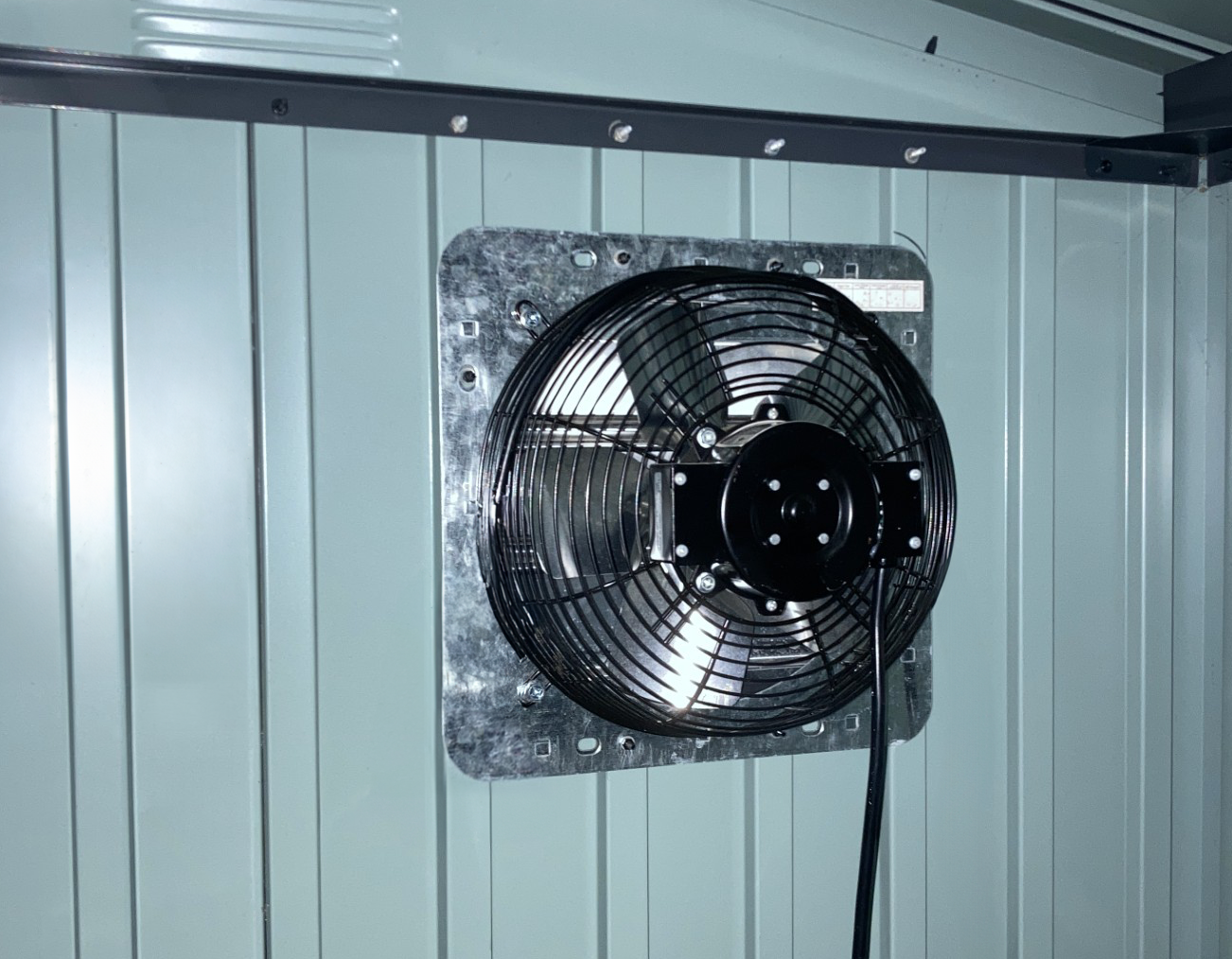
- Remove Heat: You can remove heat using fan ventilation or an HVAC system (heat pump or air conditioner).
- Exhaust Fans: We suggest using variable-speed fans to control airflow based on kiln operation and room conditions for fan ventilation.
- Air Exchange: Ensure fresh air can enter the room to replace exhausted air, preventing negative pressure.
- Temperature Monitoring: Install a thermometer to monitor heat levels and adjust ventilation as needed.
- Exhaust Placement: Position exhaust outlets away from windows and air intakes to prevent re-entry of fumes.
- Ventilation Rate: The ideal ventilation rate will vary depending on the room's size, kiln BTUs, and sprinkler systems. The BTUs can be found on the kiln's General Dimension drawing on our website. Consult an HVAC professional for your specific needs. See this page for how to calculate heat ventilation requirements.
Ventilating the Kiln
Proper kiln ventilation removes harmful fumes and moisture at the source, minimizing the amount entering your environment, improving firing uniformity, and extending the life of your kiln components.
Downdraft Vent Systems
How Downdraft Vent Systems work:
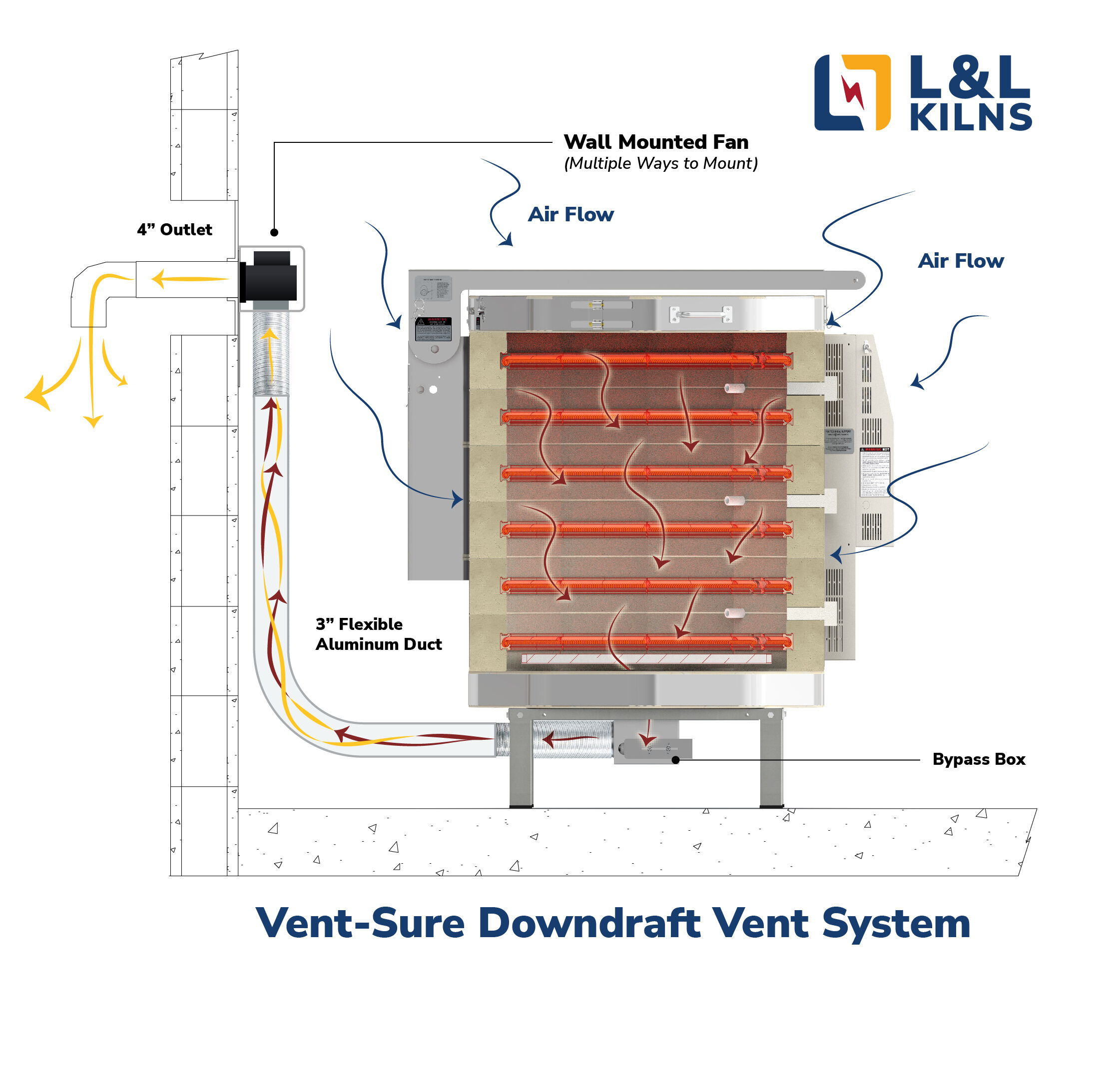
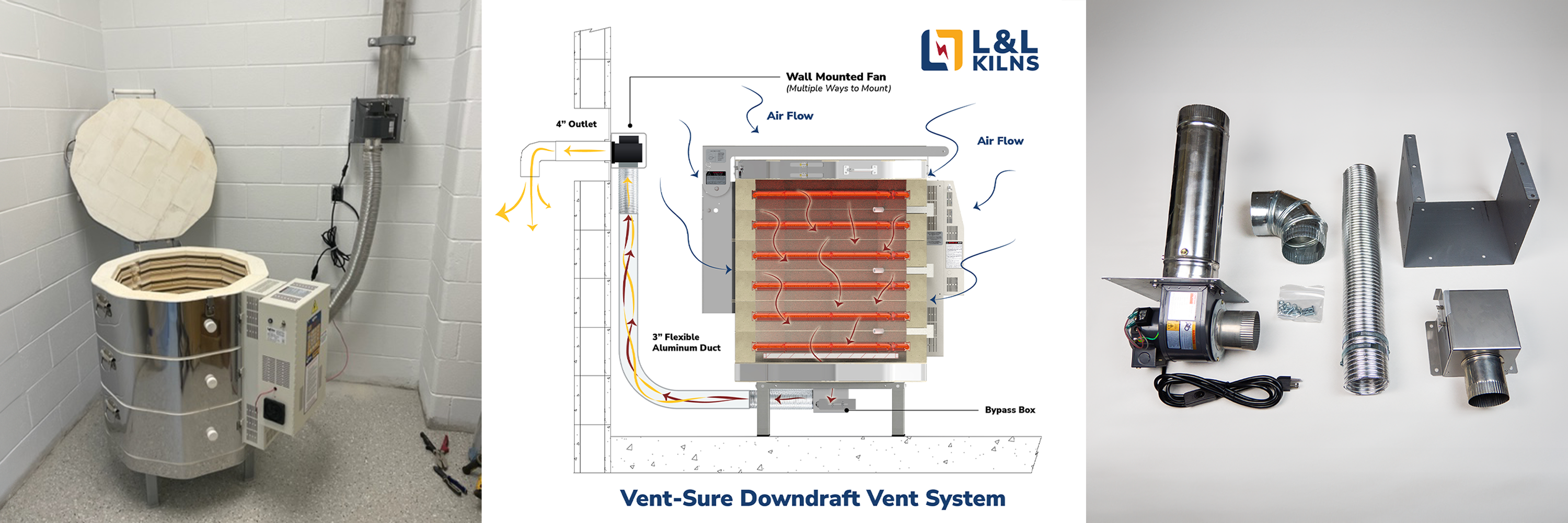
A downdraft vent system is the most effective method of kiln ventilation. Connected directly to the underside of the kiln, these systems draw air through small holes in the kiln base, creating slight negative pressure in the kiln chamber, drawing fumes and moisture out, and improving heat distribution.
Benefits:
- Fume Extraction: Efficiently removes all harmful gases from the kiln chamber and directly exhausts them outside.
- Firing Uniformity: Promotes even heat distribution by counteracting the natural upward rise of hot air.
- Enhanced Atmosphere: Maintains an oxygen-rich environment, improving glaze results and extending element life.
Vent-Sure Downdraft Vent System
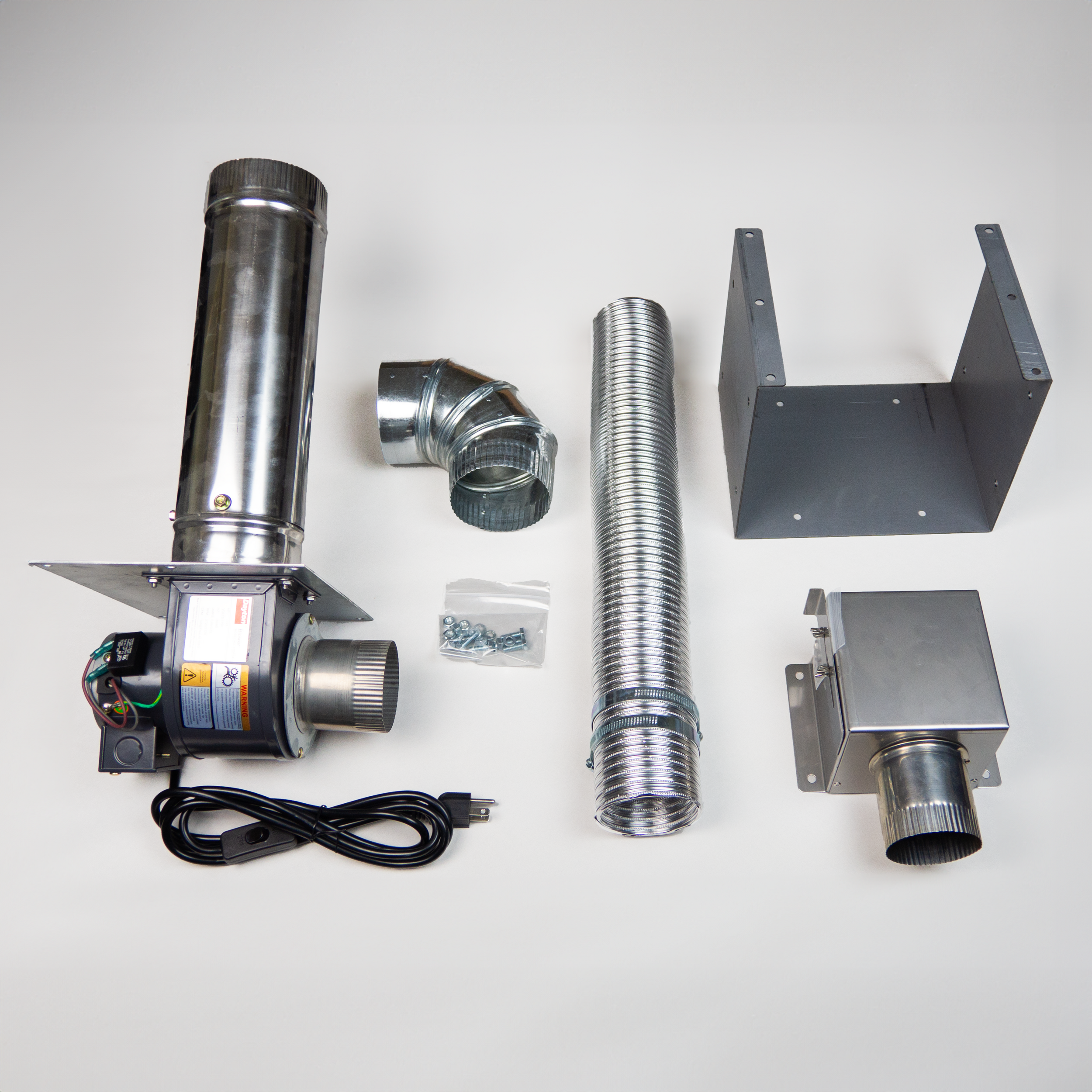
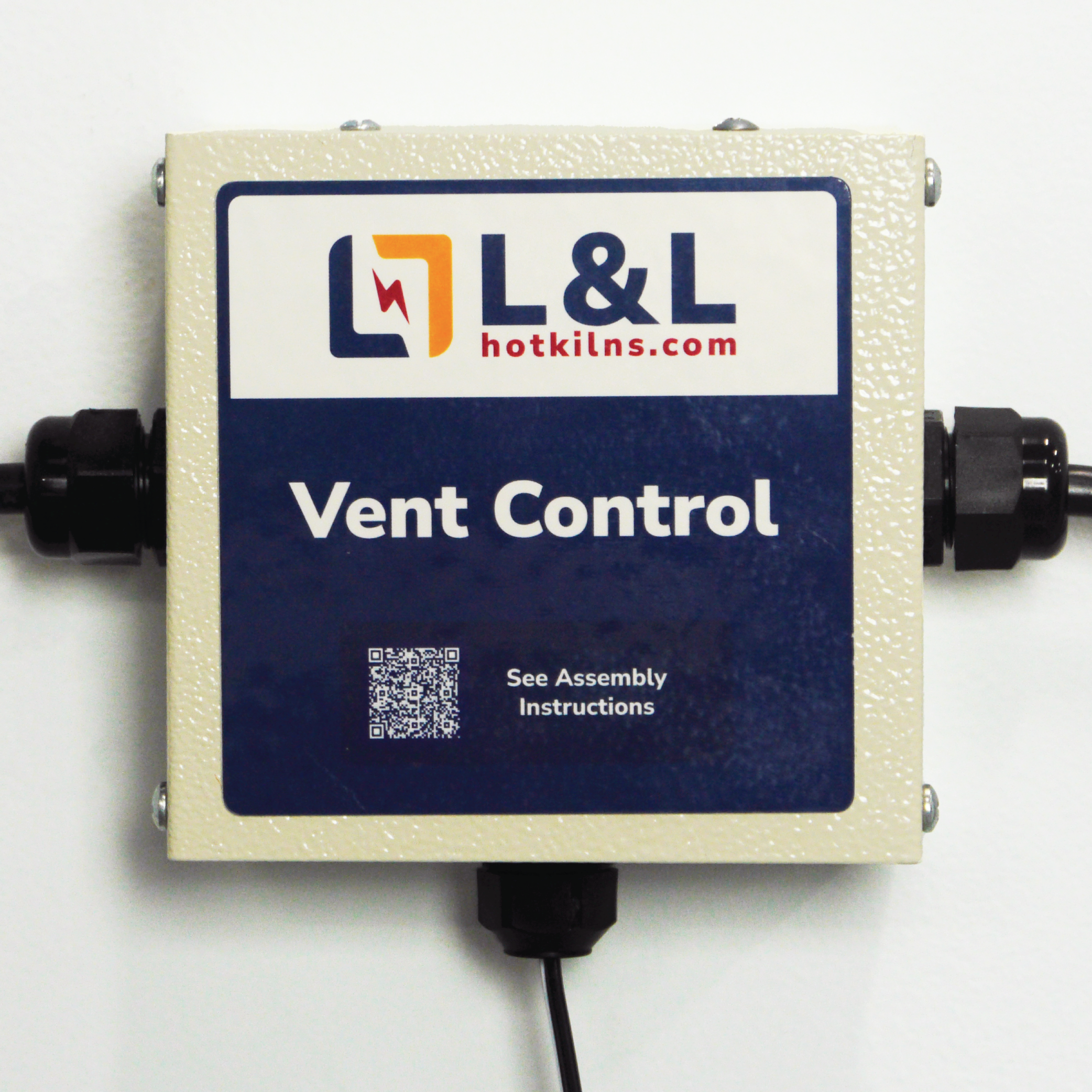
The Vent-Sure Downdraft Vent System offers efficient ventilation for L&L kilns. It effectively removes fumes and heat and is easy to install and listed to UL499 and Candian Standards. Accessories, including a vent control that plugs into your kiln control and vent doublers, are also available to enhance performance and save money. Read this page for more information.
Canopy Hood Vent Systems
Canopy hoods are installed above the kiln to capture rising fumes and heat. They effectively remove ambient heat and fumes but lack the firing uniformity, increased oxygen flow, and benefits for element life of a downdraft vent. They may also be more costly and complex to install.
Manual Venting Methods
If downdraft or hood systems are not available, manual venting can help, though it is less efficient and still depends on adequate room ventilation.
- Peephole Management: Leave the top peephole unplugged for the entire firing process while leaving all the remaining peepholes plugged.
- Adequate Room Ventilation: Ensure the room can handle fumes and heat released through manual methods.
- Monitoring: Regularly check room temperatures and air quality.
Very Small Kilns
Because of their small size, small kilns, like the L&L Plug-n-Fire, can function well without a mechanical vent system. The fumes produced are minimal. Just be sure to ventilate the room so the fumes do not build up.
Monitoring and Maintenance
Regular monitoring and maintenance ensure safe and efficient ventilation.
- Carbon Monoxide Monitoring: Install CO detectors and adhere to OSHA limits (35 ppm long-term, 200 ppm short-term).
- Regular Inspection: Check ductwork, fans, and vents for obstructions or wear. Look for holes, especially in the flexible ducting.
- Cleaning: Periodically clean fans and ducts to remove residue from materials like wax resist residue, which can condense and become a fire hazard.
- Temperature Checks: Keep duct temperatures below their rated limits (commonly 350°F for aluminum). If ducts run too hot, reduce the number of vent holes.
Compliance with Venting Codes
- Check local and state regulations before installing or modifying a ventilation system.
- The Uniform Mechanical Code requires kilns to be vented using a canopy hood or a listed exhaust blower (such as the Vent-Sure).
- The Vent-Sure is listed to UL499 Standards for kilns and Candian Standards made by L&L Kiln Mfg. Inc. that are also listed to those standards.
- The Physiological Effects of the Vent-Sure, whether beneficial or otherwise, have not been determined by Underwriters Laboratory or Intertek Group PLC.
Vent Installations
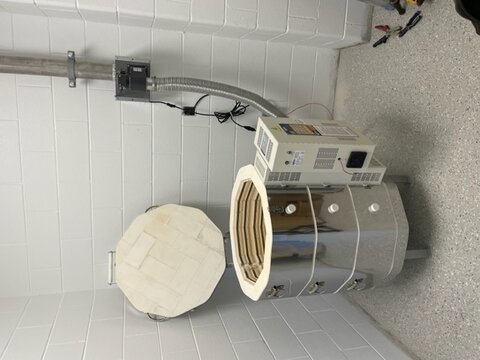
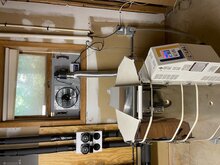
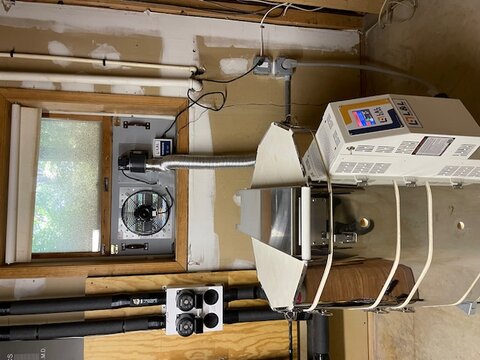
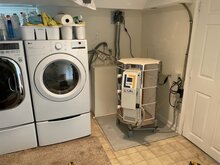
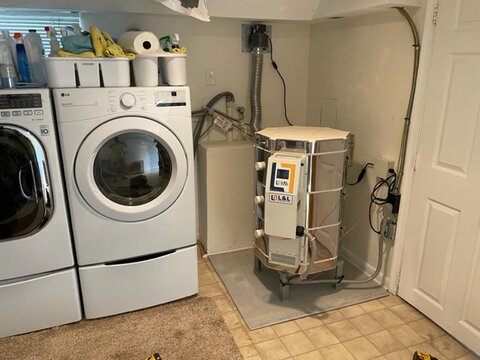
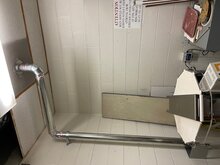
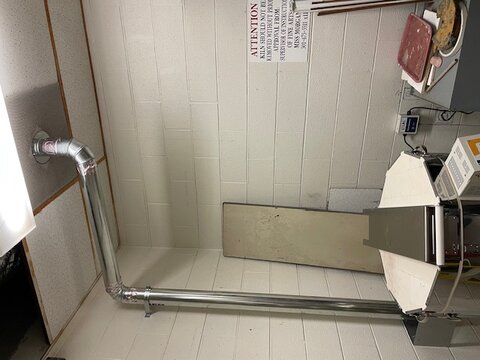

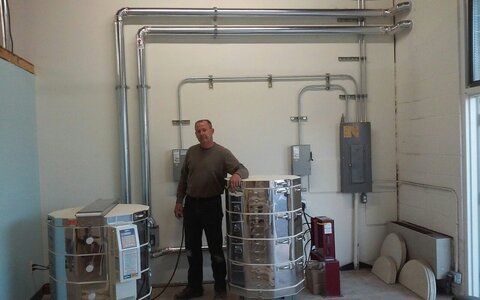
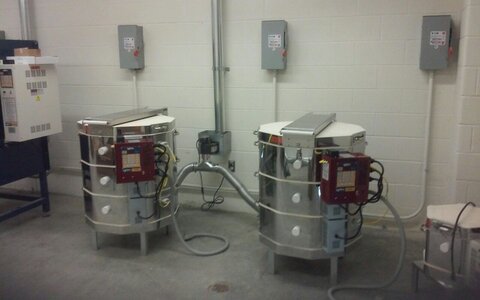
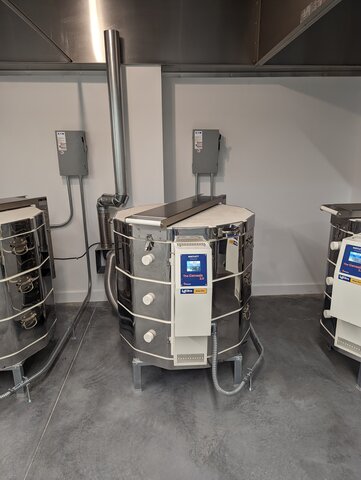
Vent Doubler shown
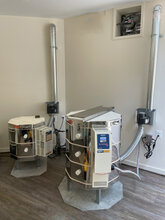
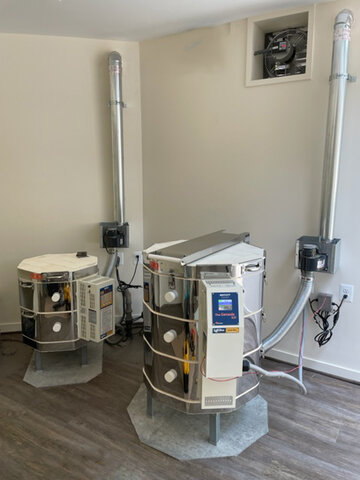
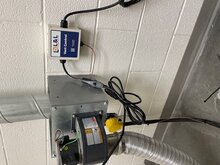
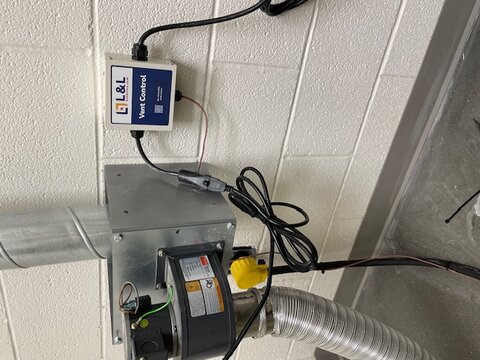
Vent Control
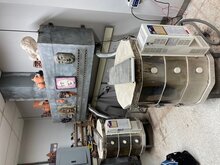
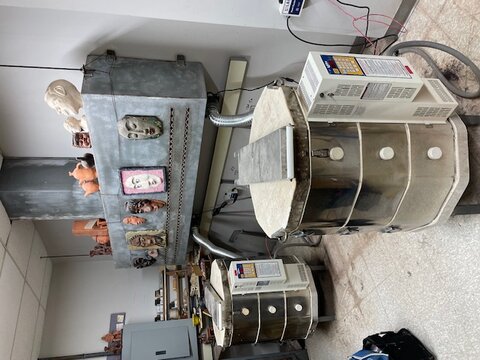
Venting into a dedicated system
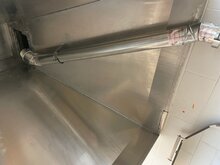
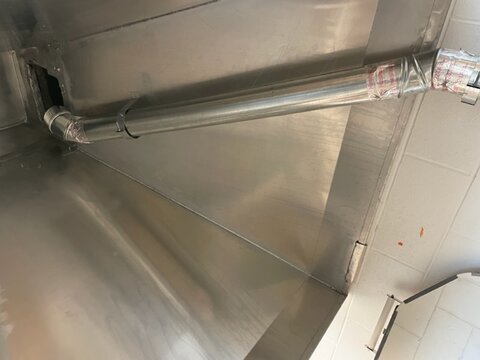
Venting into a vent hood
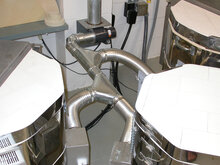
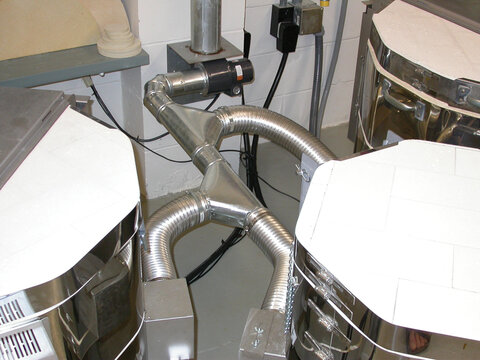
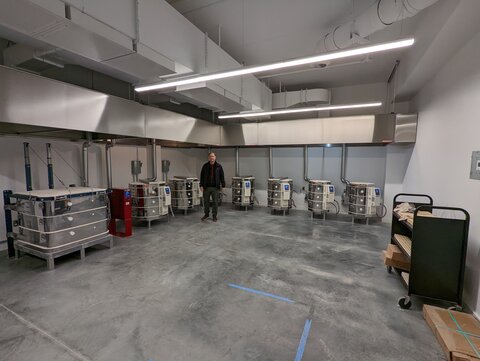
Three kilns with one vent
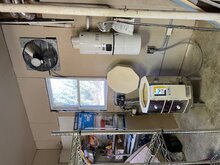
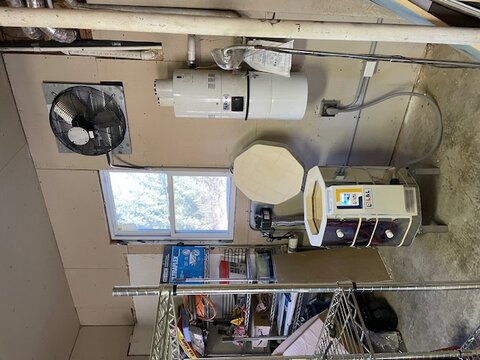
A 3250 cfm shutter-mount on a speed control which acts on the dust and fumes and heat in the whole shop
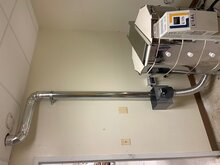
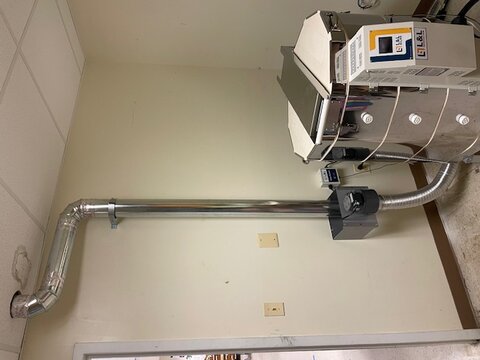
Vent shown with vent control
VENTILATION KNOWLEDGEBASE
What should I do to ventilate my kiln?
Do you need to insulate the ductwork for a Vent-Sure?
How Long can the Ventilation Duct be?
EXTENDING DUCT LENGTH ON THE VENT-SURE VENT
The duct can be 60 feet in length and include up
Can you vent through the roof?
It is fine to go through a roof with the L&L Vent-Sure kiln fumes vent system.
Can you use a centralized vent system instead of the Vent-Sure Vent?
Question: We received this semester a DaVinci 2327-D and I'm hoping you can help us with some
Why are no holes drilled int the lid of L&L kilns that are vented?
Dimensions of the Vent-Sure wall-mount bracket and fan motor assembly
The motor extends 7" off the wall. Motor dimensions are 8" x 7". Wall plate dimensions are 10" x
Calculating ventilation requirements for heat from a kiln room
Calculate how many CFM of air ventilation you need
Find the BTUs per hour (BTU/Hour) your
My kiln is going in a garage/ shed/ covered porch. Do I need the kiln vent?
At what temperature should you turn off the Vent-Sure kiln vent?
What is the recommended temperature to turn off the Vent-Sure kiln vent when firing glazes,
How do I know if my vent is pulling enough air through?
What do I do if I still smell something and I am using a Vent-Sure Downdraft kiln vent?
Firing: Can I cool my kiln faster than it would normally?
This question gets asked a lot around the holidays. L&L's official line on cooling the kiln
Does my Vent Motor require lubrication?
How do I control my vent fan motor with my Genesis or DynaTrol?
How long does a Vent-Sure downdraft vent last?
How to create an interlock that prevents the kiln from firing unless an external ventilation system in on?
A customer asks if he can interlock his automatic kiln so that it will not fire unless his
How to vent your kiln if you do not have a downdraft vent like the Vent-Sure?
Although we strongly recommend using the Vent-Sure downdraft
Calibration: What can I do to promote even kiln firings?
Control
Our DynaTrol or Genesis control with Dynamic Zone Control is the state-of-the-art
Why does my kiln corrode so quickly?
Corrosion on a kiln is perfectly normal... mostly because it is a kiln! Hot-to-cold-to-hot
How to control an external ventilation system
Problem: You have a room ventilation system that is external to your kiln, and you want to turn